A Beginner's Map of Chinese Tea Regions
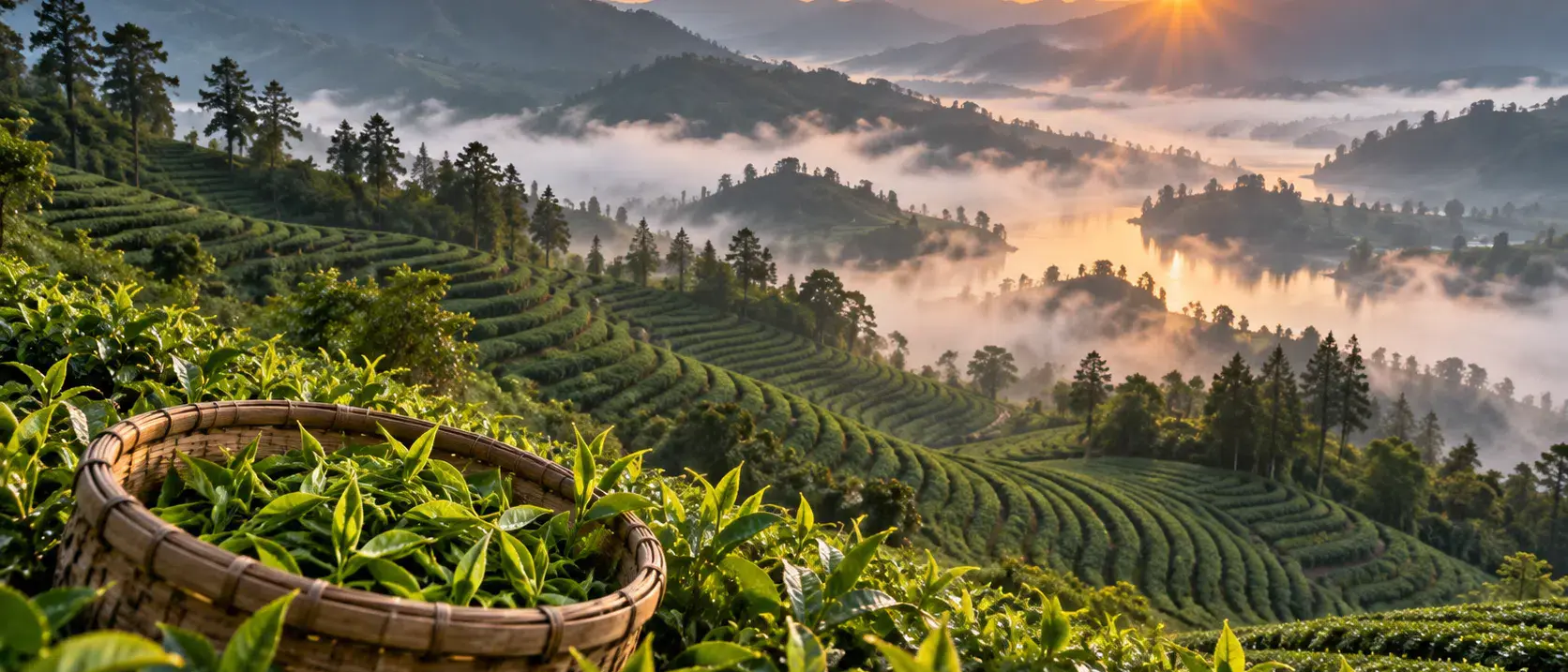
A region name can tell you where a tea tradition developed, but it does not describe every cup grown there. Climate, cultivar, harvest and processing all play a part. Four familiar names offer a useful first map.
Four places to remember
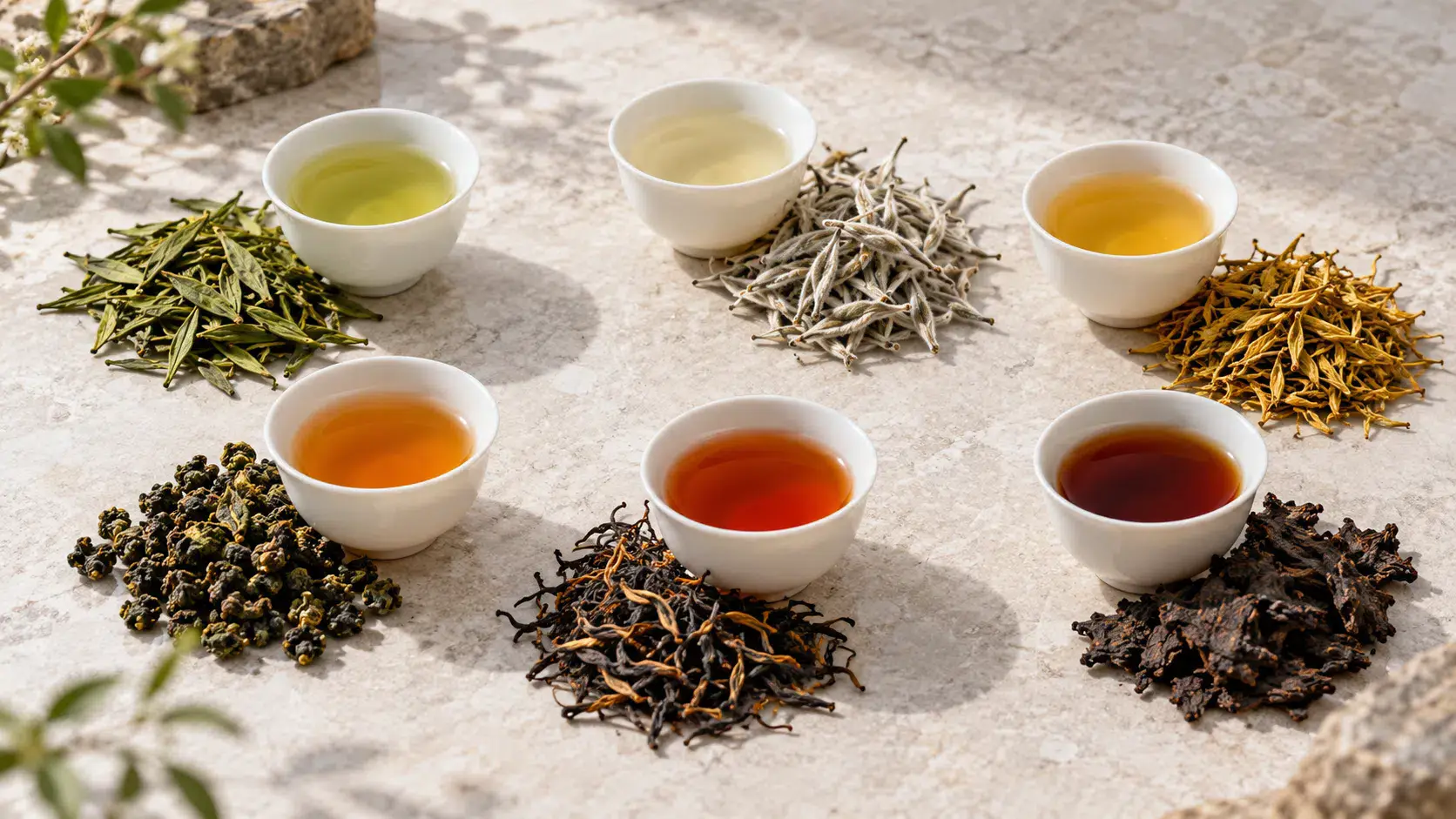
Zhejiang is closely associated with Longjing, a pan-fired green tea. Fujian is home to several well-known oolong and white tea traditions. Yunnan is central to Pu Erh and also produces other distinctive teas. Anhui gives tea drinkers names such as Tai Ping Hou Kui.
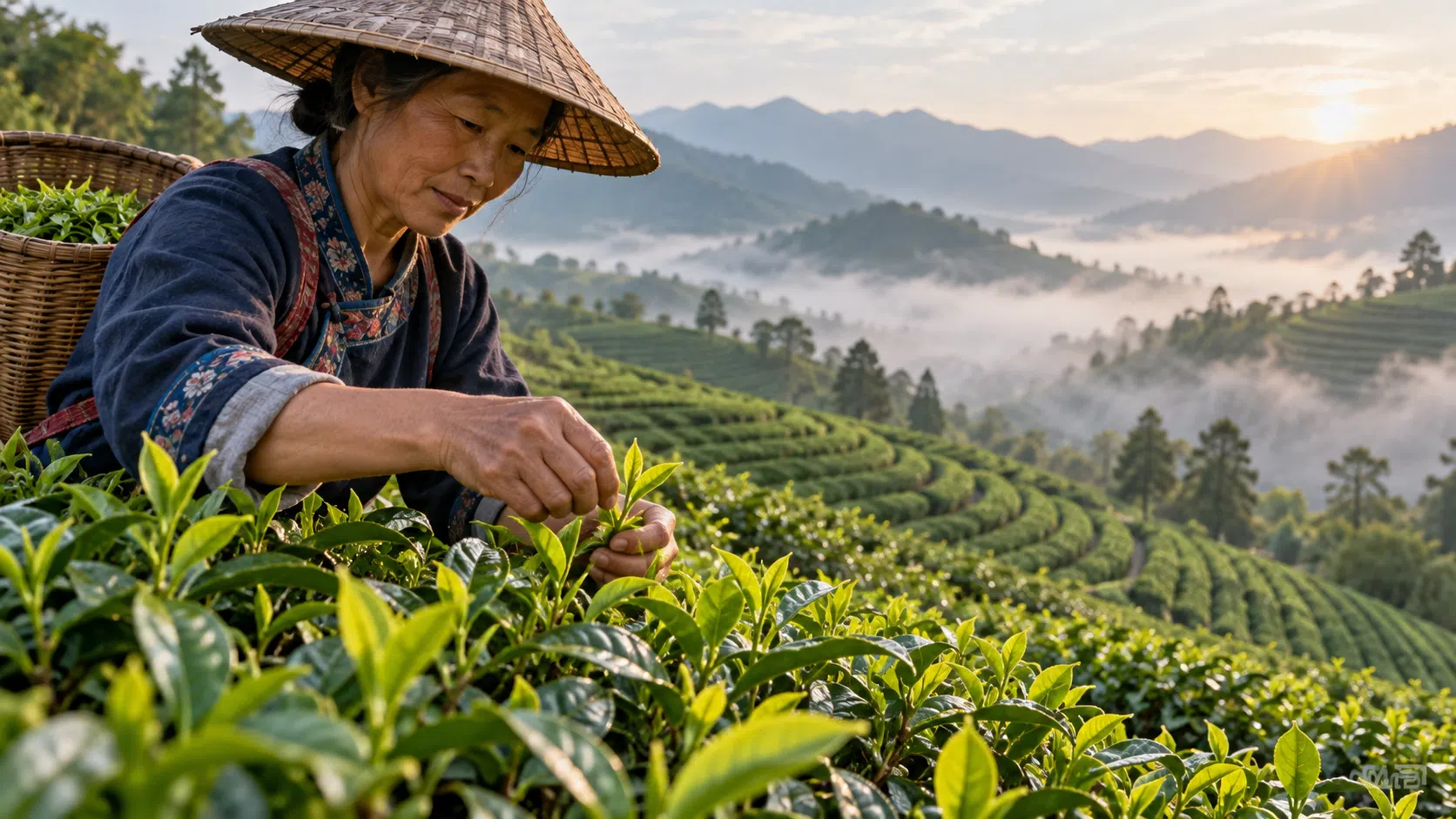
Place, harvest and processing each shape the tea in the cup.
Taste beyond the label
Try two teas from the same region before deciding what that place “tastes like.” Read the producer's description for harvest, processing and storage details. If those details are missing, let the leaf and cup guide your notes rather than relying on a broad geographic promise.
Start with a green tea or a Pu Erh and trace the place named on its product page.